
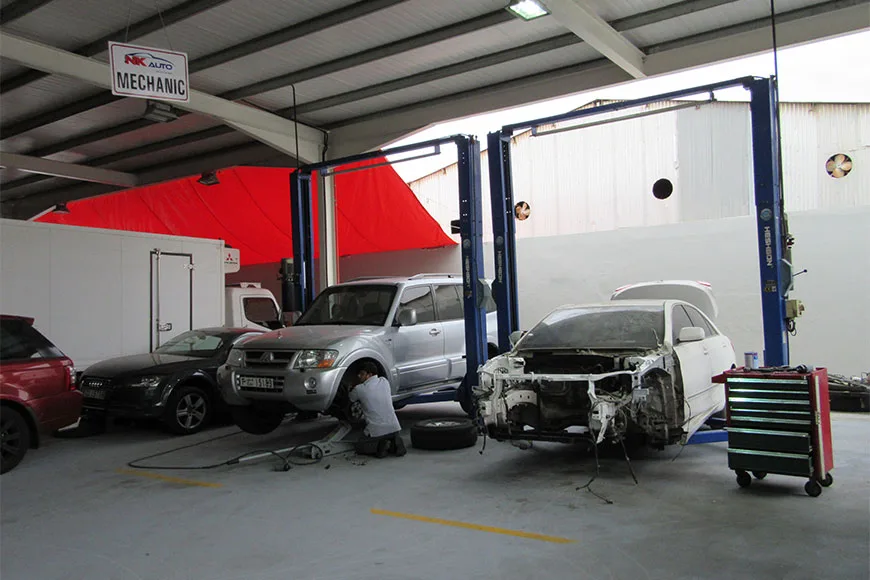
Problems that need mechanical diagnosis
Arrange an inspection for overheating, fluid leaks, unusual engine noise, loss of power, pulling under braking, steering play, clunks over bumps or persistent vibration. Stop driving when oil pressure, severe overheating, braking loss or unsafe steering is suspected.
A staged diagnostic approach
A useful diagnosis combines the driver’s description, a visual inspection, appropriate measurements and a confirmation step. A diagnostic trouble code can guide testing but does not by itself prove that a named component has failed.
Repair authorization
After inspection, the workshop should explain what was found, what is urgent, what can be monitored, which parts are proposed and whether additional dismantling could reveal further damage. Work proceeds only after scope is agreed.
Evidence before dismantling
Initial inspection aims to narrow the fault while the symptom and vehicle condition are still available. Fluid level, leaks, noise location, operating temperature, mounting condition and relevant measurements may all guide the next step. Dismantling should have a stated purpose and an agreed authorization route.
If the symptom cannot be reproduced, the workshop may need more detail about road speed, engine load, temperature, weather, recent repairs or the exact point in a journey when it occurs.
Parts, related work and uncertainty
A failed component can affect nearby parts, but “while we are there” work should still be explained. The estimate should distinguish confirmed faults, prudent related items, optional preventive work and costs that remain uncertain until access is available.
Replacement parts should match the vehicle and repair objective. Availability, origin and warranty terms should be confirmed in the actual estimate rather than assumed from this website.
Verification after repair
Verification may include leak checks, measured operation, warning-light status and a controlled road test where safe. The relevant symptom should be reassessed under conditions close to those that originally produced it.